The quality of the air we breathe is one of the most direct indicators of our health and the well-being of the planet. While we often associate air pollution with traffic, industry, or energy emissions, there is another key factor that plays a decisive role: waste management. Poor waste management can lead to the release of harmful gases and particles that negatively affect air quality, whereas a responsible and efficient system can become one of the strongest allies in reducing pollution and moving towards a more sustainable future.
In Andorra, a country recognized for its privileged natural environment, preserving clean air is a shared challenge between institutions, businesses, and citizens. The waste management model plays a fundamental role in this process, as it helps reduce emissions, prevent bad practices, and encourage more responsible use of resources.
The link between waste management and air pollution
When waste is not treated properly, the consequences for air quality are immediate. Uncontrolled burning of waste releases fine particles and toxic substances that can cause respiratory problems and worsen conditions such as asthma or allergies.
Similarly, poorly managed organic waste generates methane, a greenhouse gas far more potent than carbon dioxide.
By contrast, responsible management reduces these risks. Thanks to selective collection, recycling, and material recovery, large volumes of waste are prevented from being incinerated or dumped, thereby minimizing the impact on the air and the environment.
Best practices that contribute to cleaner air
Waste management is a complex process that involves different stages, all of which are crucial to reducing emissions and protecting the atmosphere. Some of the most important practices include:
Selective collection and recycling
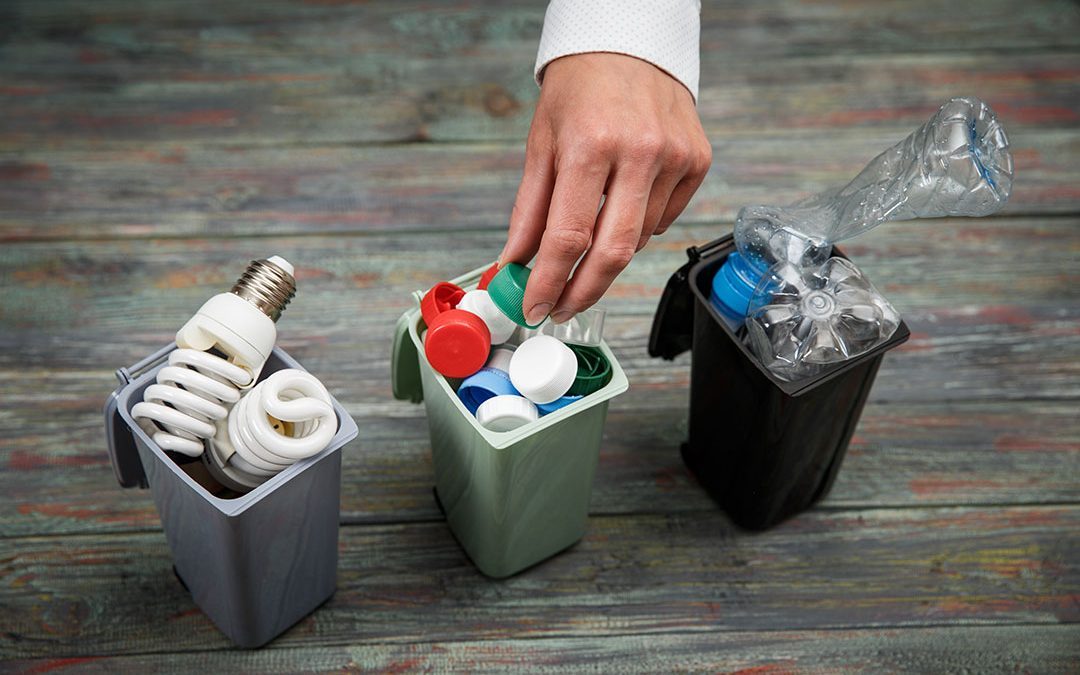
Correctly sorting waste is the first step to ensuring it can be recycled or treated appropriately. Every package, every sheet of paper, and every glass bottle placed in the right container avoids unnecessary burning and helps reduce pollution.
Material recovery
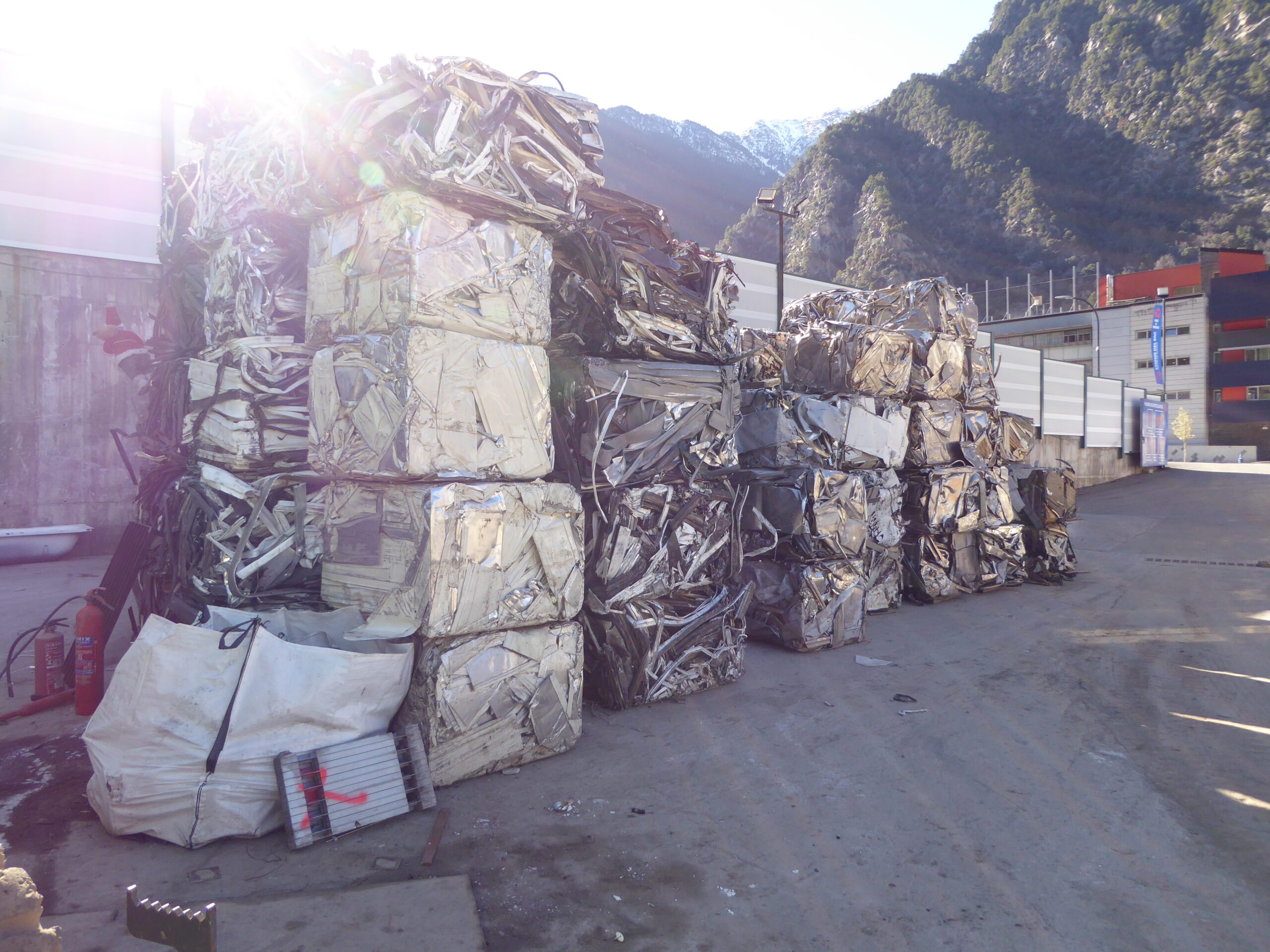
Recovering metals, plastics, and other resources provides a double benefit: it reduces waste destined for landfills and prevents the extraction of new materials, an activity that often requires highly polluting industrial processes.
Proper treatment of special waste
Hazardous waste such as batteries, electronics, chemicals, or paints contains toxic substances that, if released, can severely damage the air and soil. Taking them to recycling centers and authorized collection points is essential to prevent risks.
Reduction and reuse
Beyond recycling, the key is to generate less waste at the source. Choosing reusable products, shopping consciously, and extending the life of materials means less transport, fewer treatment processes, and therefore fewer emissions.
The positive impact in Andorra
In Andorra, waste management has particular relevance. The small size of the country and the importance of its natural heritage mean that every action has a visible impact on environmental quality.
Selective collection programs for organic matter, sorting of lightweight packaging, or controlled transport of waste from recycling centers and treatment plants are concrete examples of how good management directly reduces emissions and helps maintain cleaner air.
But all this effort would not be possible without citizen collaboration. Everyday actions like separating waste properly, taking electronic devices to authorized points, or reducing the use of single-use plastics help preserve the quality of the air we breathe and ensure a healthier future for the next generations.
The commitment of Grup L’Home del Sac
At Grup L’Home del Sac, we work with the conviction that responsible waste management is essential for sustainability and for improving air quality.
With more than fifty years of experience, we have developed services tailored to the needs of both the public and private sectors, always focusing on innovation and quality.
Looking ahead: Towards cleaner air and a more sustainable planet
The fight against air pollution does not depend solely on major international policies but also on small local actions and everyday gestures that add up.
Responsible waste management is one of the most powerful tools to achieve cleaner air, reduce emissions, and protect people’s health. In Andorra, where the natural environment is one of the country’s greatest treasures, this commitment becomes even more important.
With the involvement of citizens and the continuous work of specialized companies such as Grup L’Home del Sac, it is possible to move towards a more sustainable model, where waste management becomes an opportunity to build a cleaner, healthier, and more environmentally respectful future.