Construction and renovation works, whether large-scale projects or small domestic interventions, generate a significant amount of waste. Proper management of these materials is not only a legal obligation, but also a responsible way to protect the environment and optimise resources.
In Andorra, the management of construction waste is key to preserving the territory and ensuring safe and efficient processes in harmony with the country’s natural environment.
This reality makes it essential to adopt working models that integrate environmental, technical and organisational criteria, ensuring that each construction project actively contributes to environmental protection and the responsible use of available resources.
In this article, we explain how to do it right from the very beginning
What types of waste are commonly generated on a construction site
During a construction project or renovation, it is common to encounter different types of waste. Some examples include:
- Rubble and inert materials (concrete, bricks, ceramics)
- Wood
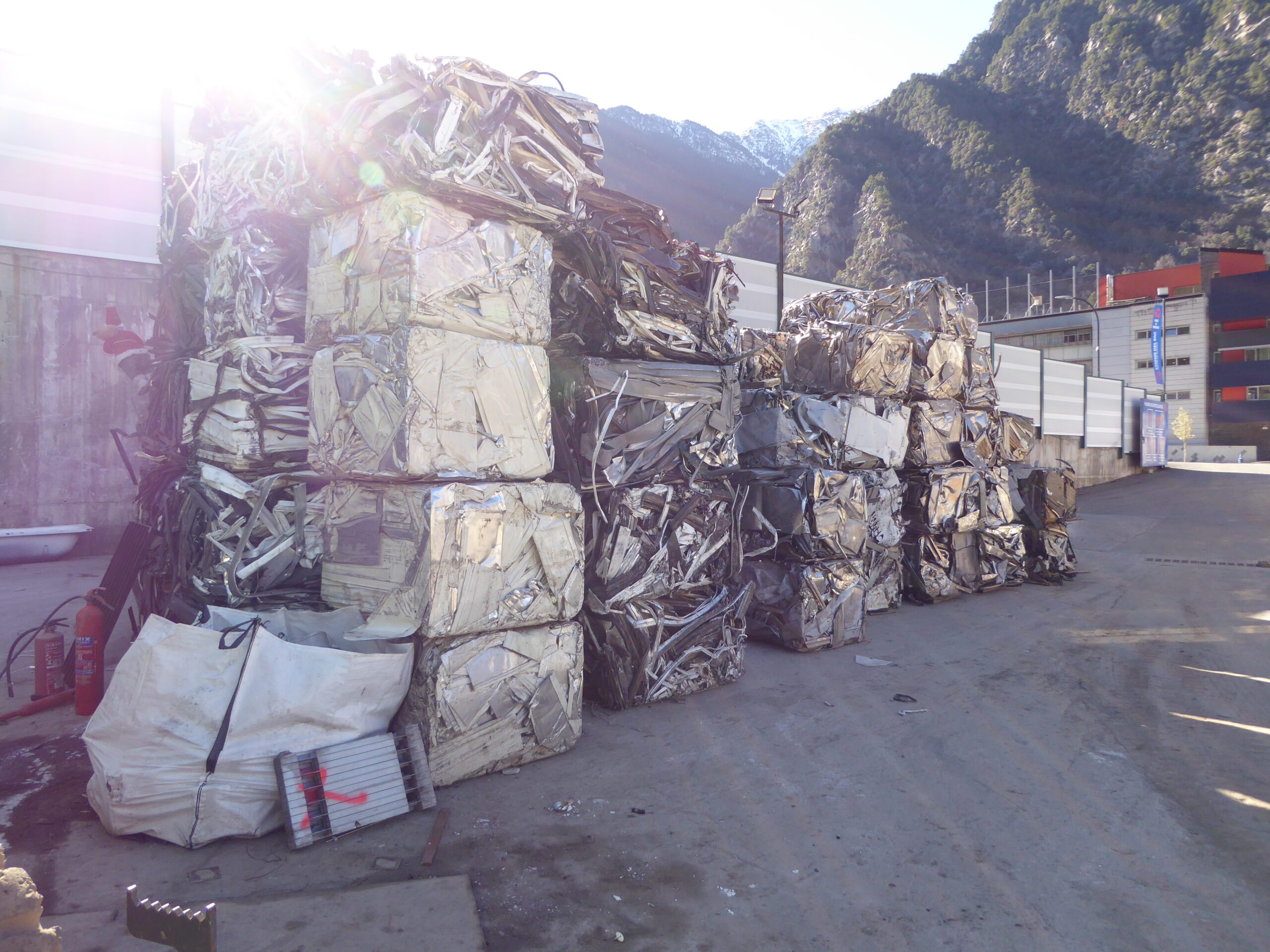
- Metals (iron, aluminium, scrap metal)
- Plastics and packaging
- Plaster and insulating materials
- Pallet leftovers, sacks, or packaging
Correctly identifying these wastes is key to applying the appropriate management process for each material, facilitating their recovery and ensuring efficient treatment in specialised facilities.
Common mistakes in construction waste management
One of the most common mistakes is mixing all different types of residues in a single container. This practice greatly complicates subsequent treatment, increases costs, and can prevent the proper recovery of materials.
Other frequent mistakes include:
- Not having appropriate containers on-site
- Dumping waste in unauthorized areas
- Failing to plan waste management before starting the construction project
Planning waste management from the start prevents problems, fines, and additional costs, and allows sustainability to be integrated into the construction process itself.
The importance of properly separating waste on-site
Source separation is key to success. When waste arrives well sorted at management facilities, its treatment is faster, safer, and more effective.
Having specific bags or containers on-site allows for:
- Making the work of the teams easier
- Reducing occupational and organisational risks
- Improving the recovery of materials
- Complying with current regulations
- Optimising management and transportation costs
In addition, good organisation of the construction site improves safety, order, and the operational efficiency of the project.
Bags and containers adapted to each need
At Grup L’Home del Sac, we provide bags and containers in different sizes, adapted to both small renovations and large construction projects. They are delivered and collected directly on-site, making waste management more convenient, organised, and efficient.
Once full, the waste is transported to our specialised facilities, where it receives the appropriate treatment according to its typology, following technical, environmental and regulatory criteria.
What happens to the waste once it has been collected?
Construction waste is managed in specialised facilities, where it is sorted and treated according to the material type. Metals, for example, are recovered and reintroduced into the production chain, while other waste follows specific recycling, treatment, or controlled disposal processes.
Proper separation at source is key to making this process possible and truly efficient.
Managing waste properly is also part of the construction process
A well-executed construction project does not end with the final finish. It also includes responsible management of the waste it generates. Whether you are a construction company or a private individual, having a specialised service guarantees peace of mind, regulatory compliance, and respect for the environment.
At Grup L’Home del Sac, we work to ensure that construction waste management in Andorra is efficient, safe, and aligned with our commitment to caring for the territory, contributing to a more responsible and sustainable construction model.