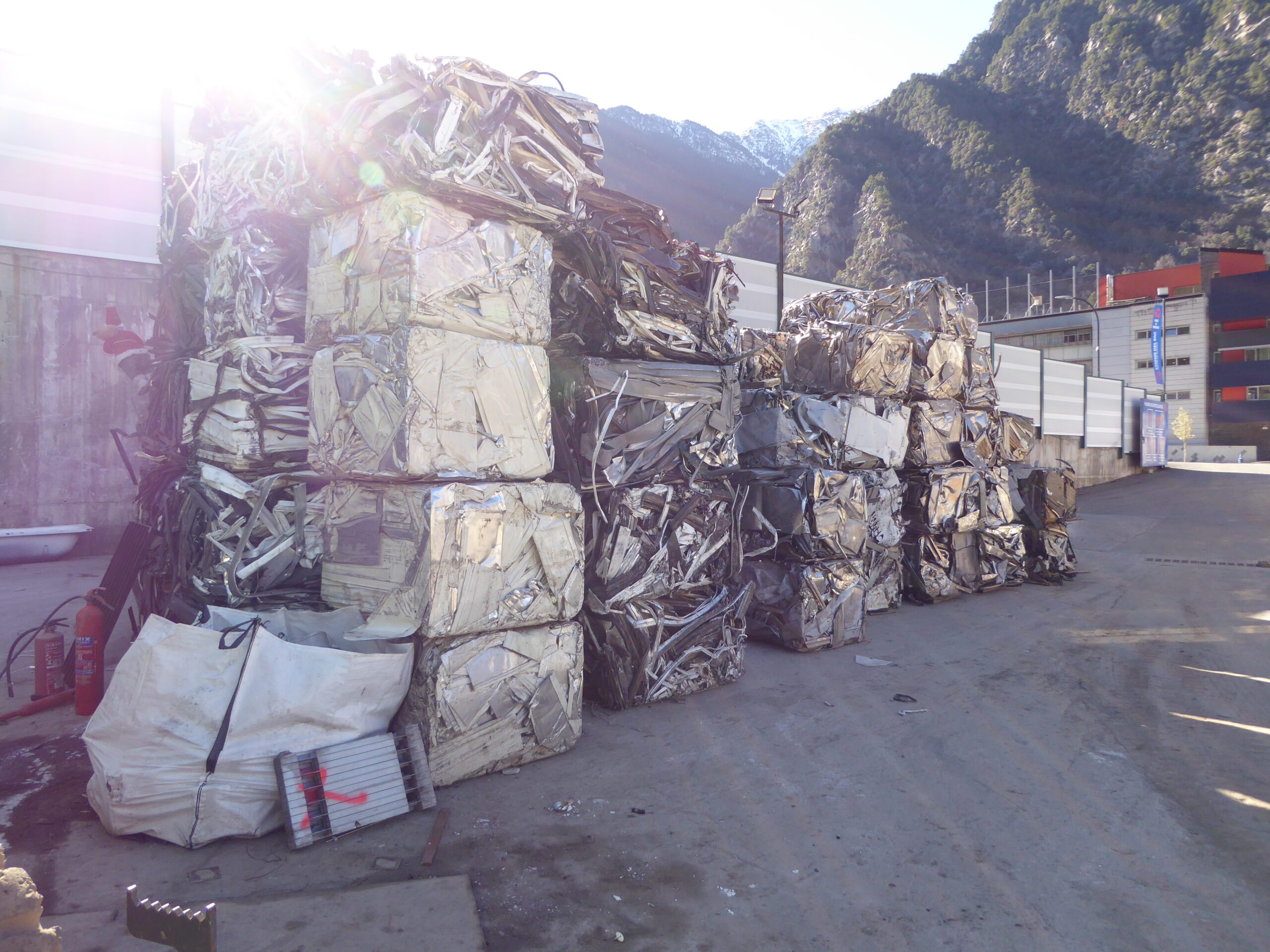
Proper waste management in the workplace is essential for reducing environmental impact, optimizing resources, and complying with current regulations. Moreover, a company that manages its waste effectively projects a more responsible and sustainable image, thereby improving its reputation and competitiveness.
More and more businesses are realizing that efficient waste management not only helps protect the environment but can also lead to cost savings. However, to do it correctly, it’s important to understand what types of waste are generated, how to reduce them, and what recycling and reuse options are available.
Below is a complete guide to managing workplace waste effectively, using best practices that will help you reduce your ecological footprint and maximize the benefits of a well-structured waste management system.
Identify the types of waste your company produces
The first step in managing waste properly is to identify it. Not all businesses generate the same kinds of waste, so it’s essential to conduct a detailed analysis.
Common types of workplace waste include:
- Paper and cardboard: Documentation, packaging, and office supplies.
- Plastics: Containers, wraps, and packing materials.
- Glass: Bottles and jars.
- Organic waste: Food scraps from cafeterias or dining areas.
- Electronic waste: Computers, printers, and other unused devices.
- Special waste: Batteries, light bulbs, toner cartridges, and chemicals.
Once identified, you can establish an efficient collection and sorting system.
Implement a sorting and recycling system
A better waste management system requires suitable containers for each waste type and the engagement of all members. Key actions include:
- Installing separate waste bins in strategic locations.
- Posting informative signage to indicate what should go in each bin.
- Appointing internal supervisors to oversee the process.
- Hiring authorized waste collection services to ensure proper management.
Reduce and reuse before recycling
Although recycling is fundamental, the best waste is the one that isn’t produced. That’s why the most effective strategy is to reduce material consumption and promote reuse before recycling.
Simple practices to reduce workplace waste include:
- Avoiding single-use plastics and replacing them with reusable alternatives.
- Printing only when necessary and using recycled paper.
- Promoting the use of refillable bottles instead of bottled water.
- Reusing boxes and packaging materials for shipping or internal organization.
These small actions can significantly reduce waste and lower operating costs.
Work with authorized waste managers
Partnering with certified waste managers is key to ensuring waste is handled correctly and in compliance with regulations. These service providers offer tailored solutions depending on the type and volume of waste your business generates.
What are the benefits of outsourcing waste management?
- Regulatory compliance, avoiding potential fines.
- Greater efficiency in collection and processing.
- Active contribution to the Circular Economy and sustainable development.
If you’re not yet working with an authorized waste manager, now is the time to explore your options. And remember, we’re here to help! 😉
Turin and raise awareness among your team
No waste management strategy will be effective without the involvement of your entire team. That’s why training and environmental awareness are essential. But you too can play an important role in this area.
Actions you can promote within your company:
- Lead by example: If you consistently separate waste and use materials responsibly, others are more likely to follow.
- Share information: Explain to colleagues why managing waste well is important and how they can improve their daily habits.
- Propose improvements: If you spot weaknesses in the company’s recycling system, suggest alternatives to improve it.
When team members understand the importance of good waste management, they are more likely to get involved, leading to better results for the company.
Waste management in the workplace is not only a commitment to the environment but also an opportunity to reduce costs, comply with the law, and enhance your corporate image. By applying best practices like reducing, reusing, and recycling – and by collaborating with certified waste managers – any company can improve its sustainability and make the most of its resources.