When we think about waste management, we often picture nothing more than throwing a bag into a bin or watching a skip being collected from a construction site. In reality, however, that everyday action is part of a much more complex, regulated and essential system than most people realise.
To ensure that waste is handled correctly and does not pose a risk to people or the environment, one key figure plays a vital role: the authorised waste manager.
But what exactly is an authorised waste manager? What responsibilities do they have? And why is it so important to entrust your waste to an authorised company?
What is an authorised waste manager?
An authorised waste manager is a company that holds the required licences and meets the technical standards needed to carry out activities related to the collection, transport, treatment, storage, sorting, recovery or disposal of waste.
This authorisation ensures that every operation is carried out in accordance with current regulations, using safe procedures and maintaining full traceability throughout the waste management process.
In other words, an authorised waste manager does far more than simply transport waste from one location to another. Their role is to ensure that every type of waste is managed responsibly and receives the most appropriate treatment according to its characteristics.
Why is it important?
Waste comes in many different forms. Some materials can be easily recycled, while others require specialised treatment to prevent environmental damage or health risks.
Poor waste management can lead to:
• Soil and water pollution.
• Risks arising from improper handling.
• Risks arising from improper handling.
• Regulatory non-compliance for businesses and individuals.
Working with an authorised waste manager ensures that every material follows the correct treatment route while meeting both technical standards and legal requirements.
Much more than collecting waste
A common misconception is that a waste manager’s job is simply to collect containers or skips.
The reality is very different.
Before waste can be recycled or recovered, a significant amount of planning and coordination is required.
This process typically includes:
• Collection planning.
• Safe transportation of waste.
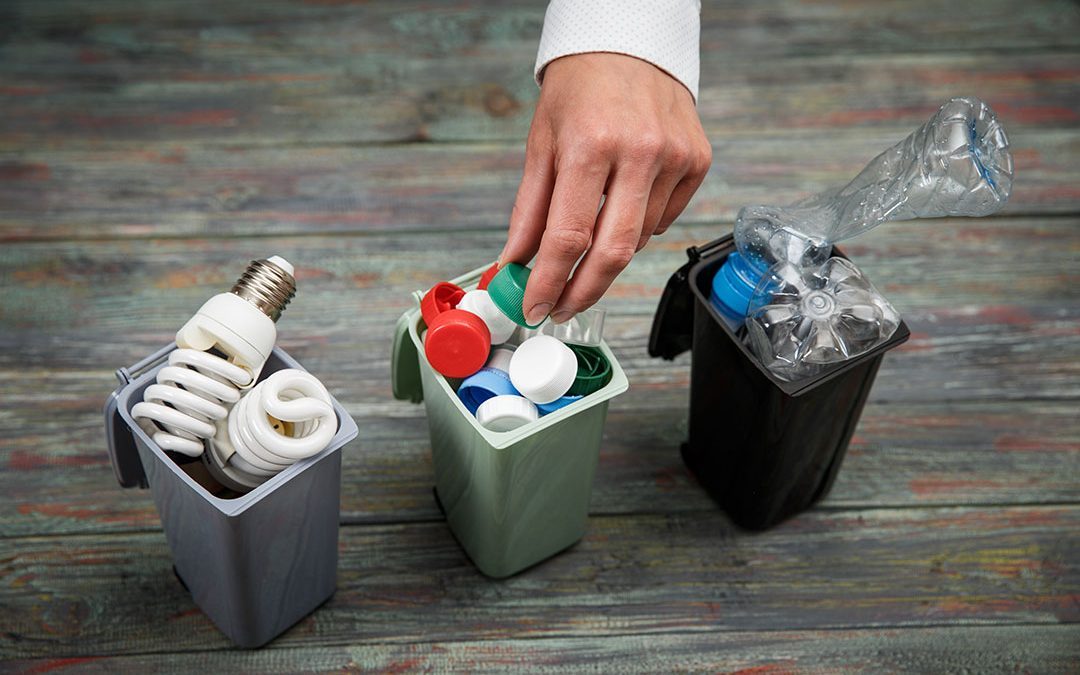
• Sorting by material type.
• Separation of different waste streams.
• Recovery of recyclable materials.
• Final treatment of waste that cannot be recovered.
Each stage is essential to ensure the entire system operates efficiently.
The importance of traceability
Another fundamental aspect of waste management is traceability.
Knowing where waste comes from, how it is transported and how it is ultimately treated is essential for ensuring responsible and transparent waste management.
Traceability provides reassurance to waste producers and public authorities alike, while helping maintain a reliable and accountable waste management system.
Waste management and the circular economy
Today, waste management goes far beyond simple disposal.
The objective is to recover as many materials as possible so they can re-enter the production cycle.
This is where the concept of the circular economy comes into play.
Materials such as metals, cardboard, paper and certain plastics can be recovered and transformed into valuable resources once again, reducing the need for virgin raw materials and minimising environmental impact.
This transformation is only possible through proper sorting and material recovery.
The role of Grup L’Home del Sac
At Grup L’Home del Sac, we work every day to ensure this entire process operates efficiently from start to finish.
Our services cover multiple stages of the waste management chain, providing tailored solutions for both businesses and private customers.
Our services include:
• Waste collection and transportation.
• Supply of bags and containers for construction sites and other activities.
• Industrial waste management.
• Packaging sorting centre.
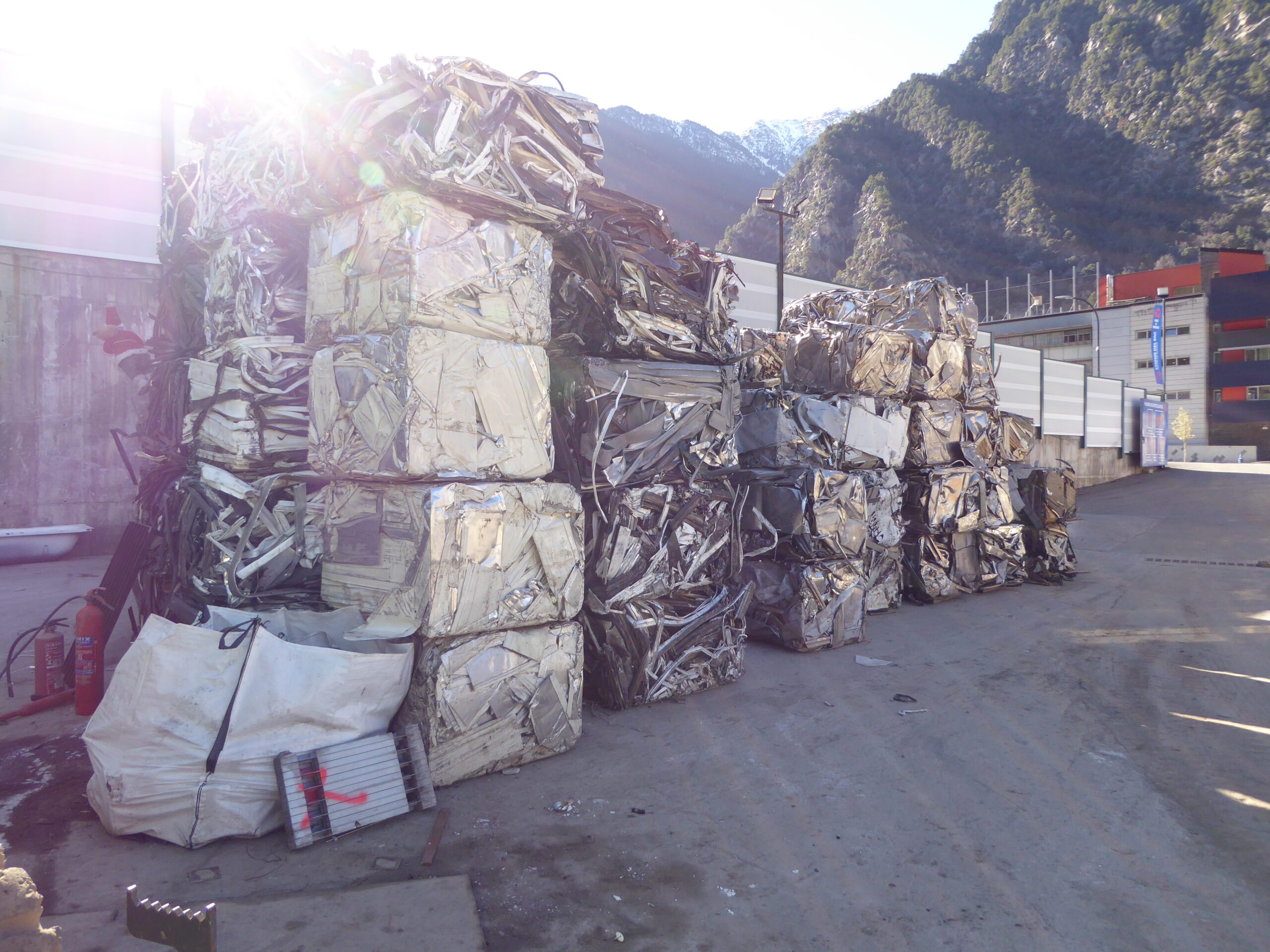
• Metal recovery centre.
• Waste sorting and recovery plant for various waste streams.
• Secure confidential document destruction service.
This comprehensive network of services enables us to provide fully integrated waste management solutions, ensuring that every material follows the treatment process best suited to its characteristics.
A shared responsibility
Effective waste management is not solely the responsibility of authorised waste managers.
Citizens, businesses and public institutions all play an essential role.
Correctly separating waste at source greatly improves downstream processes and increases the recovery potential of valuable materials. When everyone fulfils their role, the entire system becomes significantly more efficient.
Beyond regulatory compliance
Choosing an authorised waste manager is about more than simply complying with the law.
It is a decision that helps protect the environment, optimise available resources and support a more sustainable model of development.
Every correctly managed waste stream represents an opportunity to recover valuable materials, reduce emissions associated with extracting new raw materials and move closer to a truly circular economy.
Conclusion
Waste does not disappear once it is placed in a container. From that moment onward, a process begins that requires technical expertise, planning, specialised infrastructure and experienced professionals.
Authorised waste managers are a vital part of this system. Their work ensures that waste is transported, sorted and treated correctly, enabling valuable materials to be recovered while reducing environmental impact.
At Grup L’Home del Sac, we work every day to make this process efficient, safe and fully aligned with the principles of the circular economy. Because managing waste responsibly is not simply a legal obligation—it’s an investment in the future of our environment.