Nowadays, many materials considered waste still hold significant value when managed correctly. This is the case with metal waste, such as scrap metal or iron, which can be recovered and reintroduced into the production system.
Proper metal management not only helps reduce environmental impact but also contributes to optimizing resources and promoting a model based on the circular economy. Understanding how these materials are managed helps explain why metals are considered one of the waste streams with the greatest potential for recovery.
Metal waste
Metal waste is present in many sectors, both in domestic and industrial environments. It can come from multiple sources, such as:
- Unused metal structures
- Iron or steel parts
- Machinery remnants
- Worn-out tools
- Metal components from installations or furniture
Unlike other materials, metals have a particularly important characteristic: they can be recycled multiple times without losing quality, making them a highly valuable resource.
When properly managed, these materials stop being wasted and become useful raw material for new industrial processes.
Why scrap metal recovery is important
Metal waste recovery is an essential part of an efficient management system. It is not only about removing materials but about ensuring they can have a second life.
Among the main benefits of scrap recovery are:
- Reduction in natural resource consumption
Recovering metals reduces the need to extract natural raw materials, such as iron ore, helping preserve natural resources.
- Energy savings in industrial processes
Reusing recycled metals requires less energy than producing metal from raw materials.
- Reduction in waste volume
When metal waste is recovered, it avoids ending up in disposal processes, reducing pressure on treatment infrastructures.
- Promotion of the circular economy
Recovered metals can return to the production system, supporting a more efficient and sustainable model.
These benefits make proper metal waste management essential in any modern waste management system.
The metal recovery process
Metal recovery is not an immediate action, but a structured process designed to extract maximum value from materials.
This process typically includes several stages such as:
- Reception of metal waste
Materials arrive at the specialized center from companies or private individuals. At this stage, the type and characteristics of the material are verified.
- Classification by metal type
Waste is separated according to composition, as different metals require different treatments and have different values.
- Market-based valuation
Metals are revalued according to market prices, turning them into economically valuable resources.
- Preparation for reuse
Once classified and valued, materials are prepared for reuse in subsequent industrial processes.
This set of actions makes it possible to transform waste into a new opportunity for reuse.
Grup L’Home del Sac’s metal recovery center
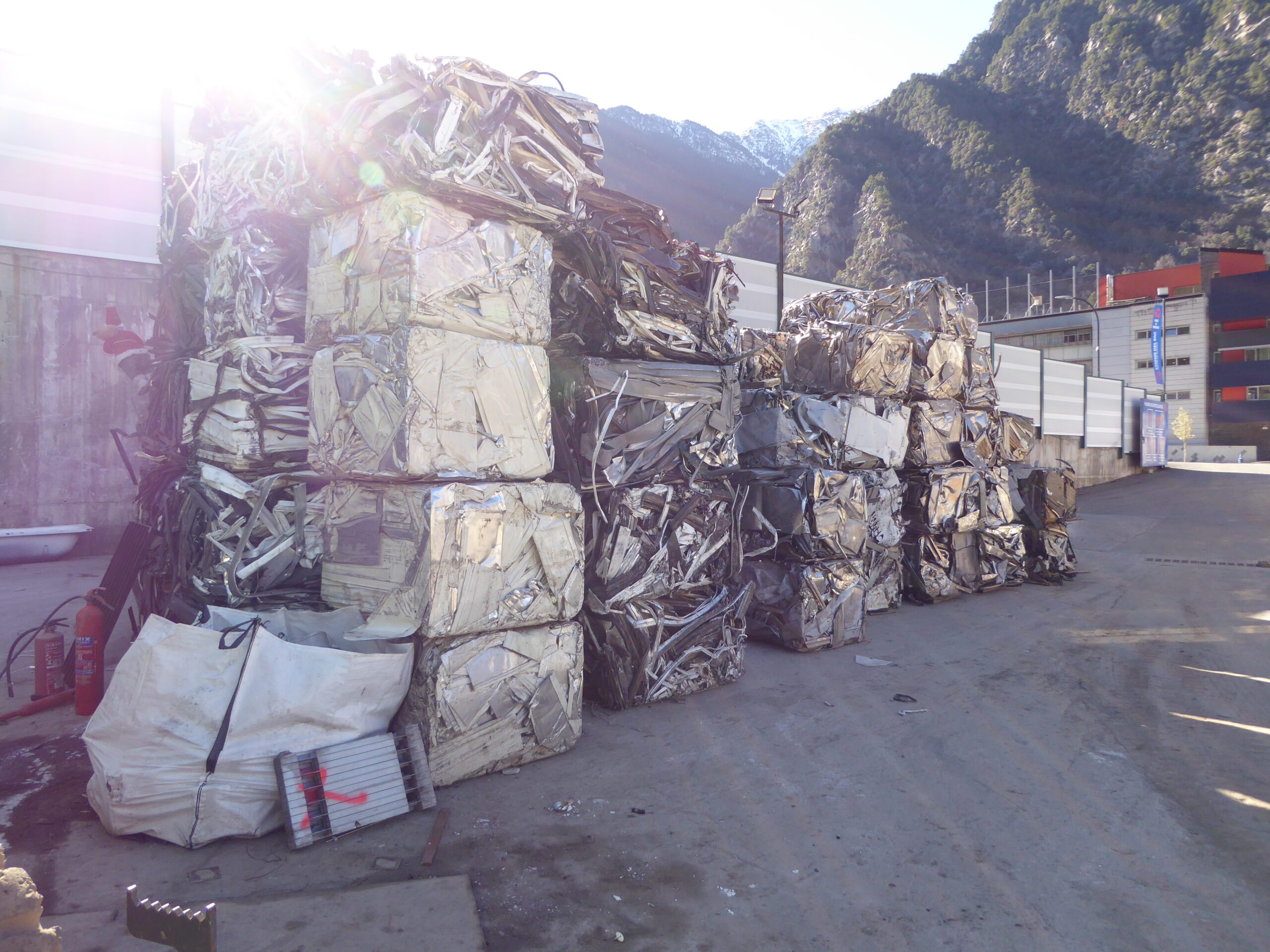
At the center located in Prat Salit, in Santa Coloma, Grup L’Home del Sac receives and recovers metal waste from different activities.
At this center, materials such as iron, scrap metal and other metallic waste are handled. These materials are revalued according to market value and managed through specific processes that allow their potential to be recovered.
This service enables both companies and private individuals to have access to a suitable point for properly managing their metal waste, ensuring that these materials follow an appropriate recovery circuit.
Metals and the circular economy: a resource that starts again
Metal recovery is a clear example of how the circular economy works in practice. Instead of considering waste as an end point, this model proposes that materials can return to the production system.
When metal waste is recovered and reused:
- The need for new resources is reduced
- Energy consumption is lowered
- Overall environmental impact is reduced
- The value of materials is maintained within the system
This approach supports progress toward more efficient and sustainable resource management.
The importance of proper metal waste management
Despite their potential value, metal waste can only be properly utilized if managed correctly from the very beginning.
Proper separation at source and professional management allow:
- Avoiding contamination with other materials
- Facilitating later classification
- Maximizing waste value
- Ensuring safe and efficient processes
For this reason, having specialized services for metal management and recovery is essential to ensure that these materials continue to have real utility.
A resource with a future
Metals are a clear example of how waste can become useful resources when properly managed. Their recyclability and reuse potential make them a strategic material within a sustainable model.
Investing in metal waste recovery not only helps reduce environmental impact but also ensures that the value of materials remains active within the production system.
In this context, proper metal management is a fundamental element in moving toward a more efficient, responsible model aligned with the principles of the circular economy.